
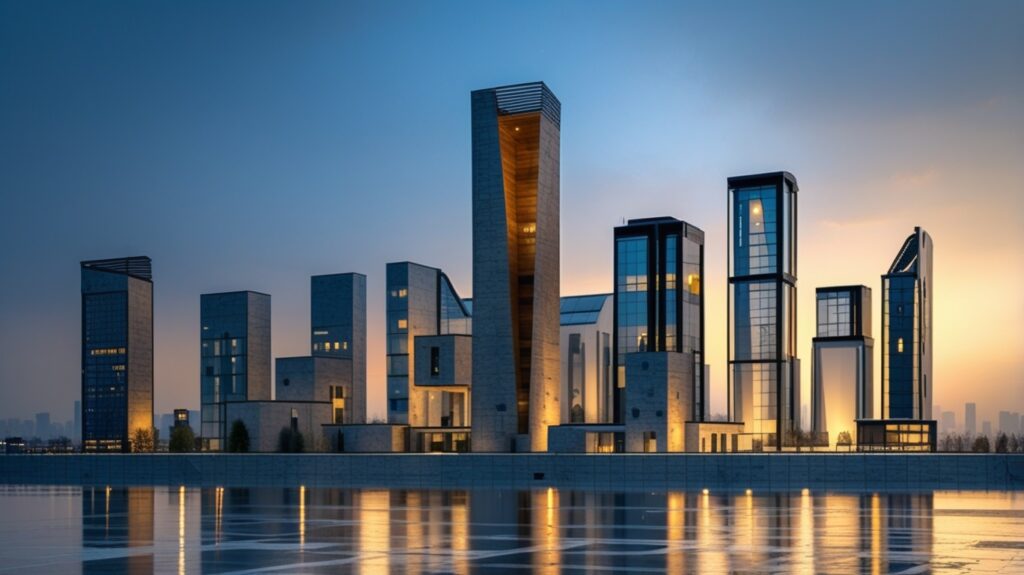
Construction is one of the world’s oldest and most essential industries. From residential homes and commercial buildings to highways, bridges, and skyscrapers, construction plays a vital role in shaping modern society. As cities continue to expand and technology advances, the construction industry is evolving rapidly, adopting innovative techniques, sustainable practices, and digital tools to meet growing demands.
The Importance of the Construction Industry
The construction industry is a major contributor to economic growth and employment. It creates infrastructure that supports businesses, transportation, healthcare, education, and housing. Every completed project not only improves the quality of life for communities but also generates jobs for architects, engineers, contractors, project managers, and skilled laborers.
Well-planned construction projects contribute to safer roads, reliable public facilities, and modern living spaces. They also enhance property values and support long-term urban development.
Modern Construction Methods
Today’s construction industry has embraced advanced technologies that improve efficiency, reduce costs, and increase project quality. Some of the most significant innovations include:
Building Information Modeling (BIM)
Building Information Modeling (BIM) enables architects, engineers, and contractors to collaborate using detailed 3D digital models. This technology helps identify design conflicts before construction begins, reducing costly errors and improving project coordination.
Prefabrication and Modular Construction
Prefabricated components are manufactured in controlled factory environments and assembled on-site. This method speeds up construction timelines, minimizes material waste, and improves overall quality. Modular construction is becoming increasingly popular for residential buildings, hotels, healthcare facilities, and educational institutions.
Smart Construction Equipment
Modern construction sites use GPS-enabled machinery, drones, and automated equipment to improve accuracy and productivity. Drones assist with site inspections, progress monitoring, and land surveys, while advanced machinery enhances precision and reduces manual labor.
Sustainable Construction Practices
Sustainability has become a key priority in the construction sector. Green building practices help reduce environmental impact while improving energy efficiency and occupant comfort.
Some sustainable construction practices include:
- Using recycled and eco-friendly building materials.
- Installing energy-efficient lighting and HVAC systems.
- Incorporating solar panels and renewable energy sources.
- Conserving water through efficient plumbing systems.
- Designing buildings with natural ventilation and daylight utilization.
Green certifications such as LEED encourage developers to follow environmentally responsible construction standards. Sustainable buildings not only reduce operating costs but also create healthier indoor environments.
Challenges Facing the Construction Industry
Despite technological progress, the construction industry continues to face several challenges.
One major issue is the shortage of skilled labor. As experienced workers retire, companies must invest in training and attracting new talent. Rising material costs and supply chain disruptions can also impact project budgets and timelines.
Safety remains another critical concern. Construction sites involve heavy machinery, working at heights, and hazardous materials. Strict safety regulations, proper training, and personal protective equipment (PPE) are essential to protect workers and reduce accidents.
Additionally, project delays caused by weather conditions, regulatory approvals, and unexpected site conditions can significantly affect completion schedules.
The Role of Technology
Digital transformation is reshaping construction like never before. Artificial Intelligence (AI), cloud-based project management software, and the Internet of Things (IoT) are improving decision-making and project monitoring.
AI helps predict project risks and optimize scheduling, while IoT sensors monitor equipment performance and worker safety in real time. Cloud platforms enable project teams to collaborate efficiently regardless of location, ensuring better communication and documentation throughout the project lifecycle.
Virtual Reality (VR) and Augmented Reality (AR) are also helping architects and clients visualize projects before construction begins, reducing design revisions and improving customer satisfaction.
The Future of Construction
The future of construction is driven by innovation, sustainability, and digitalization. Smart cities, energy-efficient buildings, and automated construction methods will continue to transform how infrastructure is designed and built.
Emerging technologies such as 3D-printed buildings, robotic construction systems, and autonomous equipment are expected to further increase productivity while reducing costs and environmental impact. Governments and private organizations are also investing heavily in resilient infrastructure capable of withstanding climate change and natural disasters.
Conclusion
Construction remains the foundation of economic development and modern civilization. As the industry embraces advanced technologies and sustainable building practices, it is becoming more efficient, safer, and environmentally responsible. By investing in innovation, workforce development, and green construction methods, the industry can continue to build stronger communities and create infrastructure that serves future generations. Whether constructing homes, commercial buildings, or public infrastructure, the construction sector will remain a cornerstone of global progress for many years to come.
